

SAAPE’S ENGAGEMENT IN THE GLOBAL CIVIL SOCIETY MOBILISATION DURING THE IMF–WORLD BANK ANNUAL MEETINGS
On 15 October 2026, as global attention turned to the challenges facing climate-vulnerable nations, the event featured the high-level dialogue “Parliamentary Leadership for Development and Delivery in a Multipolar World: From Vulnerability to Viability: Enabling Finance, Resilience and Climate Prosperity,” convened by the Climate Vulnerable Forum–Vulnerable Twenty (CVF–V20) Global Parliamentary Group. Bringing together parliamentarians, policymakers and development partners, the dialogue focused on strengthening parliamentary leadership to mobilise development finance, advance climate resilience, accelerate climate action and enhance accountability in pursuit of sustainable and climate-resilient development.
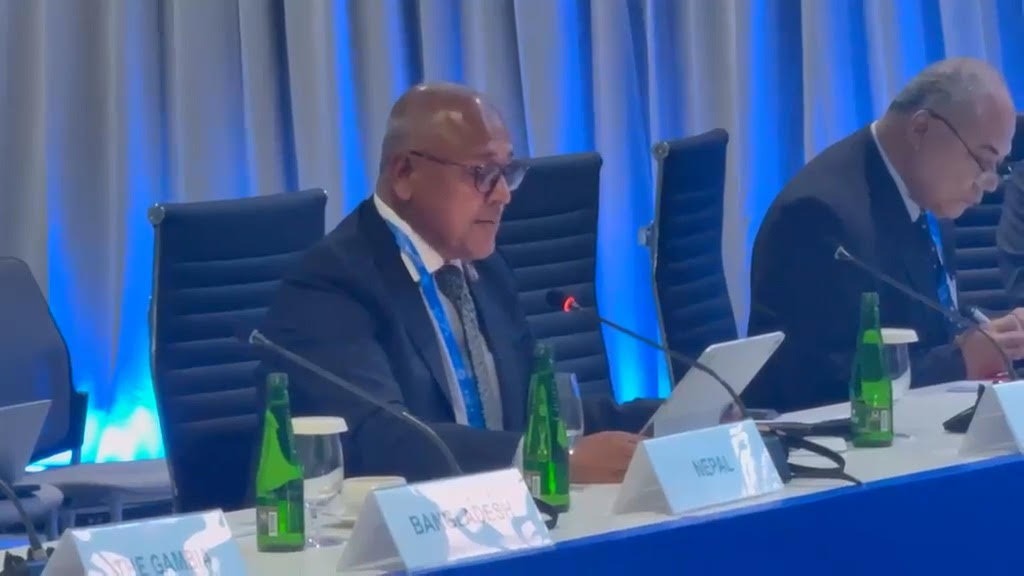
Dr. Arjun Kumar Karki, Member of Parliament of Nepal and Founder of SAAPE, participated in the CVF–V20 discussion and brought Nepal’s experience of climate vulnerability, disaster-related economic losses and financing challenges into the international debate. Dr. Karki called for predictable, adequate and grant-based international climate finance to support vulnerable countries in addressing climate impacts, strengthening resilience and recovering from climate-induced loss and damage. Referring to the devastating 26 August Bhote Koshi–Trishuli floods, he highlighted the extensive human, economic and infrastructure impacts and the significant resources required for recovery and reconstruction. He stressed that climate disasters create consequences beyond immediate humanitarian losses. Damage to hydropower infrastructure can affect electricity generation and exports, while disruption of roads and trade routes can affect commerce and tourism. Reconstruction can also increase pressure on government budgets, imports and the balance of payments.
Dr. Karki highlighted the importance of timely liquidity and the proposed “Lifeline” approach to ensure that climate-vulnerable countries can access financial resources before disasters develop into wider economic crises. He also stressed the need for financial strategies that take climate vulnerability into account, particularly for countries graduating from LDC status. Dr. Karki underlined the role of parliaments in ensuring that national interests are represented in international financial negotiations. He proposed that the Ministries of Finance, Environment and Foreign Affairs should present coordinated national positions to relevant parliamentary committees before major discussions with the IMF, World Bank and other development finance institutions. He further proposed that the government report back to Parliament after major international negotiations, outlining what Nepal had sought, what was achieved and what issues remain unresolved. He also emphasised meaningful participation of provincial and local governments, Indigenous communities, women and mountain communities in climate finance decisions. Dr. Karki stressed that grant-based finance for adaptation and loss and damage should be understood not as charity but as an issue of climate justice.